
Things to do in Copenhagen, picked by a local
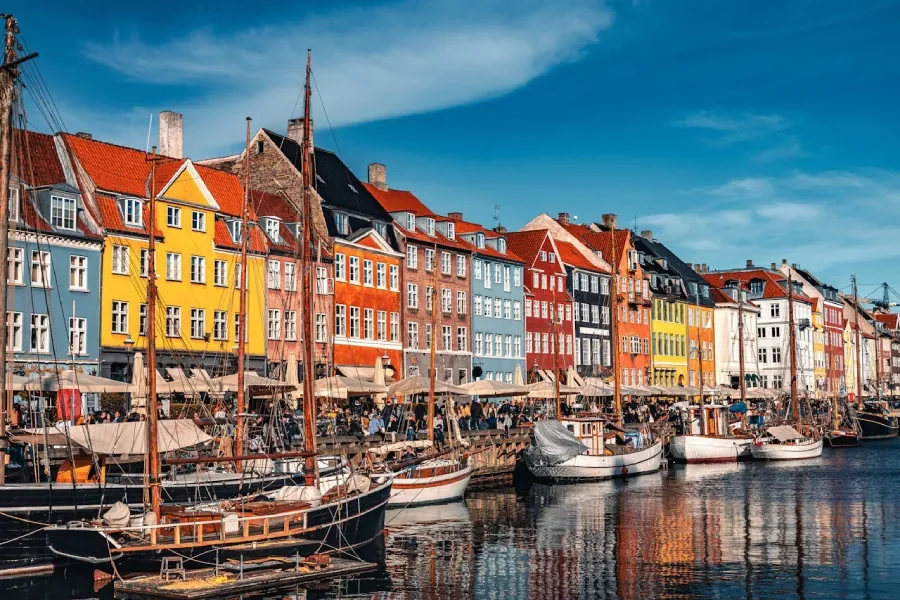
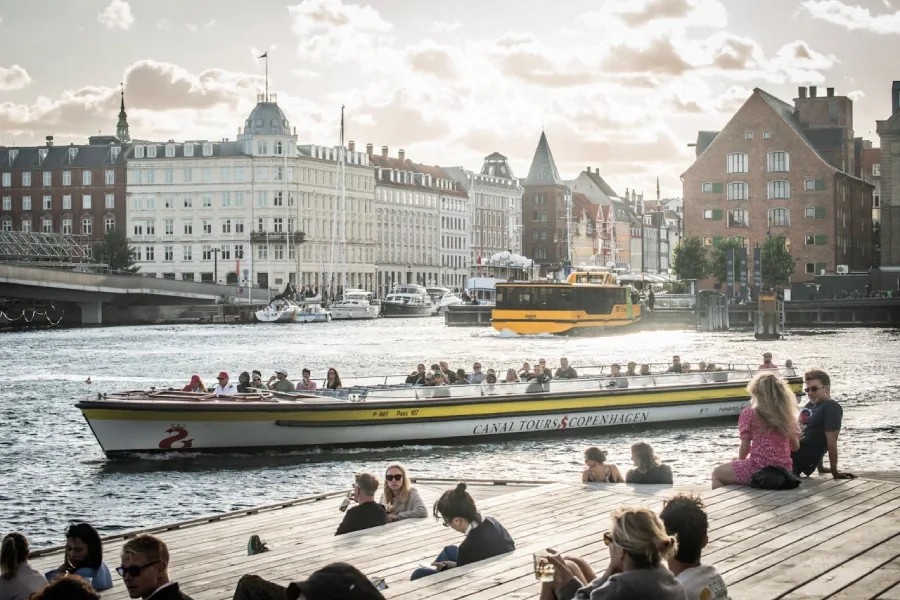
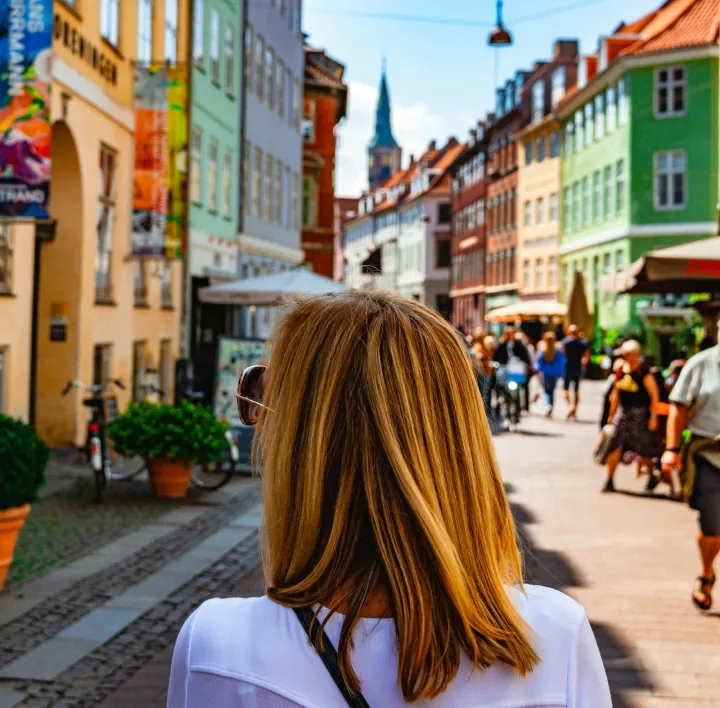
The short version: with one day in Copenhagen, walk Nyhavn to Amalienborg to Rosenborg, eat smørrebrød at Torvehallerne and end at Tivoli. With three, add Christiania, a harbour bath and a day trip to Louisiana or Kronborg. Almost none of it needs a car: the airport metro reaches the centre in 13 minutes, and a single ticket costs 24 DKK for two zones.
I'm Felipe, a Chilean who has lived here for over five years and works as a local guide. Everything on this site is something I have done myself, priced myself and would send a friend to. There are no sponsored placements and no lists copied from other guides, which is why some entries say a place is not worth the queue. Start with the three planning questions below, then dig into whichever part of the city you actually care about.
Trip planning
Planning your trip? Start here
The three questions everyone asks before booking anything, answered by someone who lives here.
Copenhagen in 3 days
An hour-by-hour itinerary built around walking distances, so you never cross the city twice.
Where to stay
Six neighbourhoods compared by walking time, night-time atmosphere and real room prices.
Is the Copenhagen Card worth it?
The break-even maths in kroner, plus the cheaper alternative most visitors should buy instead.
Categories
Explore Copenhagen
Your complete guide to things to see in Copenhagen
Art & Culture
20+ venuesGastronomy
50+ restaurantsNightlife & Drinks
30+ venuesCafés & Hygge
25+ cozy spotsNeighborhoods to Explore
10+ districtsOutdoor Spaces
18+ locationsShopping & Design
35+ storesTransportation & Mobility
Practical guideAbout This Blog
A Copenhagen Guide You Can Actually Trust
Your local guide to things to do in Copenhagen: 200+ hand-picked activities, from historic landmarks and Nordic cuisine to nightlife and the corners most guidebooks miss. Written and personally tested by someone who actually lives here.
Copenhagen is a city you can cross on foot in an afternoon, which is exactly why it rewards knowing what you're looking at. The historic centre is barely 2 km across; the royal quarter, the canals and the old harbour all sit inside it, and the neighbourhoods that give the city its character start a fifteen-minute bike ride away.
Everything below is written and personally checked by Felipe, a local guide who has lived here for over five years. No sponsored placements, no lists copied from other sites: every restaurant, museum and bar on these pages is somewhere I have actually been, with the prices and opening hours I found the last time I checked them.
Browse by category if you already know what you're after, or start with the trip planning guides at the top of this page if you're still working out how many days you need and where to sleep.
-
200+ activitiesHand-picked and personally tested, zero filler
-
9 categoriesHistory, food, nightlife, shopping & more
-
2026 guideUpdated with the best time to visit
-
100% local tipsReal addresses, real prices, real hours
-
Honest recommendationsNo sponsored placements, ever
-
Growing every monthNew guides added regularly, never written once and forgotten
When To Go
Best Time to Visit Copenhagen
Copenhagen offers unique experiences year-round. Pick your season based on what you're after.
Spring
Blooming parks, mild temperatures (8–15 °C) and fewer tourists than summer.
- Cherry blossoms around the city
- Outdoor cafés reopen
- CPH PIX Film Festival
- Lower prices than summer
Summer
Peak season with up to 18 hours of daylight, warm weather (17–22 °C) and festivals galore.
- Copenhagen Jazz Festival
- Harbor swimming
- Tivoli open daily
- Outdoor concerts
Autumn
Golden foliage, a cozy hygge atmosphere (10–16 °C) and perfect for museums and food.
- Copenhagen Cooking Festival
- Culture Night (Kulturnatten)
- Fall colors in the parks
- New Nordic cuisine season
Winter
Magical Christmas markets, true hygge (0–4 °C), fewer crowds and better prices.
- Nyhavn Christmas markets
- Tivoli's winter season
- New Year celebrations
- Best hotel deals
Must-Do
Top 15 Copenhagen Experiences
From cycling like a local to dining at a Michelin-starred restaurant or swimming in the harbor: the most memorable things to do in the city.
Cycle Like a Local
62% of Copenhageners bike daily across 400km of dedicated lanes.
Stroll Nyhavn at Sunset
The iconic colorful harbor, lined with 17th-century townhouses.
Experience Tivoli Gardens
The world's second-oldest amusement park (1843), which inspired Walt Disney.
Dine at a Michelin Restaurant
Copenhagen holds 31 Michelin stars across 21 restaurants, from Noma to Geranium.
Swim at the Harbor Baths
Crystal-clear water right in the city center, at Islands Brygge.
Explore Christiania
Europe's most famous alternative community, since 1971.
Tour Rosenborg Castle
A 1606 Renaissance castle home to the Danish Crown Jewels.
Shop for Danish Design
A design mecca with names like Georg Jensen and HAY.
Try Smørrebrød
Denmark's famous open-faced sandwich on dense rye bread.
Walk Strøget
Europe's longest pedestrian shopping street, at 1.1km.
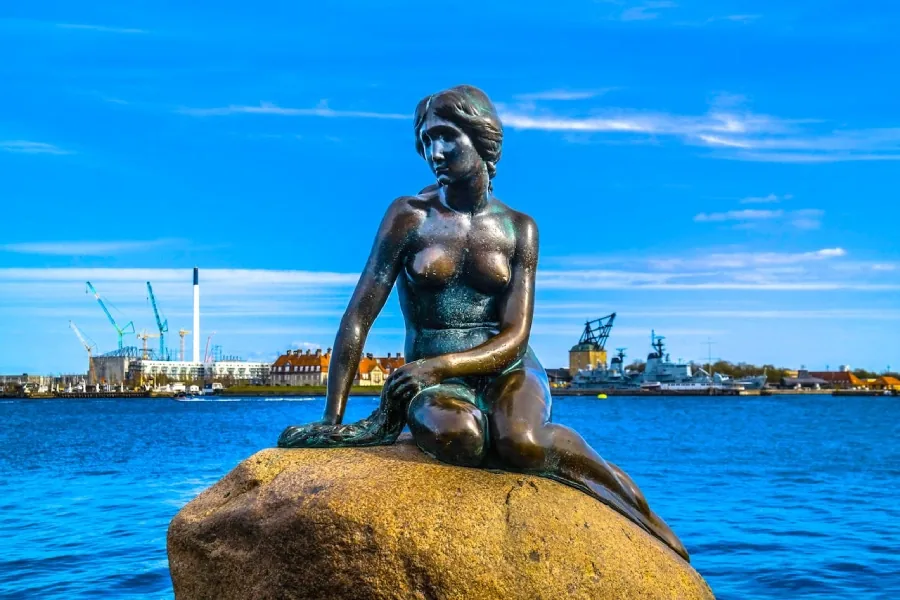
Visit the Little Mermaid
The iconic 1913 statue inspired by Hans Christian Andersen's fairy tale.
Explore Street Food Markets
Reffen and Torvehallerne bring together cuisines from around the world.
Experience Hygge in a Café
Danish coziness, among candles, blankets and warm drinks.
Climb The Round Tower
Europe's oldest functioning observatory, built in 1642.
Discover Ny Carlsberg Glyptotek
A stunning art museum with ancient sculptures and French impressionists.
FAQ
Copenhagen Travel FAQs
Everything you need to know before and during your Copenhagen visit.
My 3-day Copenhagen itinerary lays this out hour by hour. 3-4 days is ideal to comfortably see the main attractions: the old town, Nyhavn, Tivoli and a museum or two. With a full week, you'll also have time to explore alternative neighborhoods and take a day trip.
Yes, Copenhagen is one of Europe's more expensive cities. On a tight budget you can get by on €75-100 a day (basic lodging, food and transport); for a more comfortable trip, budget €150-200 a day. Cooking a few meals, getting the right transport pass and hitting happy hours all help stretch your money.
Yes, virtually everyone speaks excellent English, so you won't have trouble getting around. Locals still appreciate it when you try a basic greeting in Danish.
It includes unlimited public transport and free entry to 80+ attractions, with 24- to 120-hour options. It pays off if you're planning to hit several paid museums and use transport a lot in a short time; for a slower trip, paying per attraction might work out cheaper. I work through the break-even point in detail in my guide to whether the Copenhagen Card is worth it.
The airport is just 8km from downtown. The metro connects both in about 15 minutes and runs 24/7; you can also take a suburban train, taxi or rideshare if you prefer comfort over cost.
A temperate oceanic climate, with mild summers (17-22 °C) and cold but not extreme winters (0-4 °C). It rains fairly often year-round, so a waterproof jacket is a must in any season.
Yes, it's one of the safest cities in the world to cycle in, with 400km of dedicated, separated bike lanes. 62% of Copenhageners bike daily, and bike rentals are available all over the city.
Smørrebrød (open-faced rye sandwiches) is the must-try, along with frikadeller (Danish meatballs) and flæskesteg (roast pork with crackling). For something sweet, don't miss wienerbrød (the original "danish") and kanelsnegle, cinnamon rolls.
For Michelin-starred restaurants, yes, 2 to 3 months ahead. Popular mid-range spots are worth booking a few days out, while cafés and casual places are usually fine to just walk into.
Denmark uses the Danish krone (DKK), not the euro. It's a nearly cashless society: almost everything is paid by card or phone. Carrying 100-200 DKK covers any rare exception.
Yes, Denmark consistently ranks among the safest countries in the world, including for solo travelers. Usual precautions apply: watch your belongings in touristy areas, and always use a solid lock if you rent a bike, since bike theft is the most common issue.
Kronborg Castle, the Louisiana Museum of Modern Art, Malmö in Sweden, Roskilde and Frederiksborg Castle are the most popular options, all well connected by train from downtown. All twelve are ranked in my day trips guide.
Hygge is the Danish concept of cozy contentment: candles, blankets, warm drinks and good company. You'll feel it best in warmly lit cafés, the houseboats of Christianshavn, or any corner of Nørrebro with a specialty coffee in hand.